

LOEFFLER OP-ED: BIDEN MUST CHANGE COURSE TO PREEMPT FOOD SHORTAGE
April 26, 2022
In case you missed it, Greater Georgia Chairwoman and former U.S. Senator Kelly Loeffler penned an op-ed for the Washington Examiner
yesterday discussing the urgent threat of America's impending food shortage and the liberal policies that have pushed our nation to the brink of an inflationary and supply chain crisis. Read the full text of Kelly's op-ed below:
In America, the availability of everyday goods such as groceries and gasoline is generally a given. Even in 2020, amid the fallout of a pandemic, well-documented shortages were relatively short-lived. But as the economy recovered heading into 2021, the shift in Washington toward Democratic policies may now make hunger pangs familiar in a way unseen since the Great Depression.
While America is the world’s breadbasket, reliance on Russian and Ukrainian wheat, barley, fertilizer, and, most of all, energy has made every mouthful cost more, as have increased regulations and taxes on our farmers here at home. Russia and Ukraine produce
25% of the world’s wheat, and Russia exports 20% of the world’s natural gas supply, both vital to the food supply chain. Russian President Vladimir Putin’s invasion has disrupted these exports and left the world in a precarious position.
A recent article in
Parade listed
basically every food as at risk of being in short supply in 2022, from eggs and dairy to produce and meat, but then laughably blamed climate change as one of the key causes. Particularly since shortages will be felt most by the more than 10% of Americans who are food insecure, President Joe Biden should be working to avert this looming crisis. Instead, he shrugs and says, "With regard to food shortage, it's going to be real," and then plays the solutionless blame game.
The buck never seems to stop at this president's desk, but facts speak louder than spin. Biden's harsh regulatory policies, trillions in reckless government spending, and his insistence on paying people not to work have triggered rampant inflation. Russia's aggression threw fuel on the fire, but it doesn't singularly explain away the price of beef shooting up 16%, the price of poultry increasing 13%, or the recent rationing
of baby formula, not to mention skyrocketing wages shouldered by small businesses, which employ the majority of the public today.
Here in Georgia, farmers now pay over $1,400 for the same $400 bag of fertilizer they bought two years ago, in part because petroleum products are a key fertilizer ingredient. That is just one example of many products, such as diesel, seed, and equipment, the price spikes of which are exceeding gains in commodity prices. Supply and demand dynamics for all commodities, the building blocks of food, clothing, and fuel, will be discussed in 2022 like we’ve not seen in decades.
When the administration "helped" farmers by making it more difficult to keep animals and use water on their land, it made it more costly to produce food. Rising prices borne by families aren’t a concern of the elites, with
Bloomberg telling
us to try lentils instead of meat.
The Biden administration's irresponsible policies threaten to leave grocery shelves even more bare than during the pandemic. Democrats in Congress play their part in the Kabuki theater, too, hauling in energy and agriculture executives for what amounts to show trials, hoping we forget that Biden inherited a nation that was a net exporter of oil for the first time in 80 years, where food stamp usage hit a record low, and where the post-pandemic economy was starting to boom.
Sen. Elizabeth Warren, a Massachusetts Democrat, has even attacked grocery stores for rising prices, as if they haven't seen their costs rise. Finger-pointing and climate schemes won’t make food more affordable or save the many family farms and other small businesses in danger of being lost in the inflation wave.
More regulation and bureaucracy, which Biden continues to roll out as the solution to our problems, has tightened the screws on farmers tilling our soil just as climate schemes such as canceling the Keystone Pipeline and banning drilling on federal lands have hurt thousands who work in the only industry that can reasonably provide energy security for all. The longer Democrats cling to big-government policies, the more likely it is that Biden’s prophecy of a real food shortage will be self-fulfilling.
Recently, a reporter asked former President Barack Obama if he had anything to say to Democrats worried about their fate in the midterm elections. "We got a story to tell," he replied. "Just got to tell it." But the story they have to tell is of a president, whose party controls both the House and the Senate, with an uncanny knack for making things worse, not better, with every move.
We are walking a tightrope between prosperity and a bleak future of fuel and food shortages. Unless we get back to putting the needs of the public ahead of the needs of activists on their Twitter feeds, we will be coping with the consequences of Biden's reckless policies for years to come.
###
Media Contact: press@greatergeorgia.com
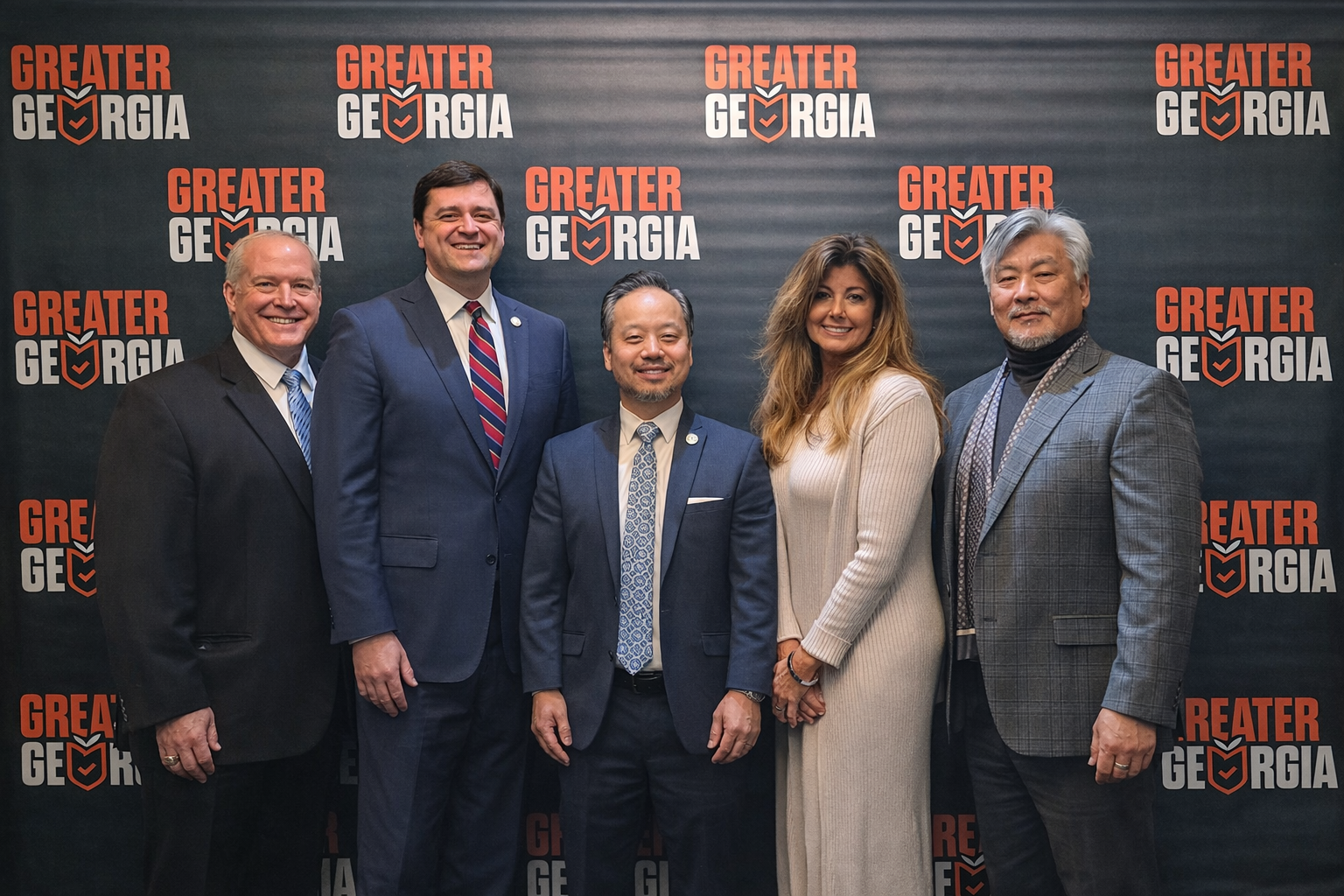
Atlanta, GA — Greater Georgia concluded its Statewide Education Tour with a final stop hosted by the Metro Atlanta Chamber , convening business leaders, elected officials, and community stakeholders for a forward-looking discussion on Georgia’s priorities heading into the 2026 legislative session. Jon Burns , Speaker of the Georgia House of Representatives, offered a preview of key issues expected to shape the upcoming session. The discussion focused on policies central to Georgia’s long-term success, including property tax reform, access to mental health services, improving literacy outcomes, and ensuring students are prepared to enter the workforce. The Statewide Education Tour brought substantive policy conversations directly to communities across Georgia, reinforcing Greater Georgia’s commitment to informed dialogue and broad civic engagement. More than 250 business owners, community leaders, and local officials participated in tour stops across seven Georgia counties. Looking ahead to 2026, Greater Georgia will focus on training local leaders and activists and equipping them with the tools needed to host engaging, policy-oriented conversations in their own communities to strengthen civic leadership and engagement across the state. ###

Your Local Vote Matters: Evaluating Candidates for Local Office
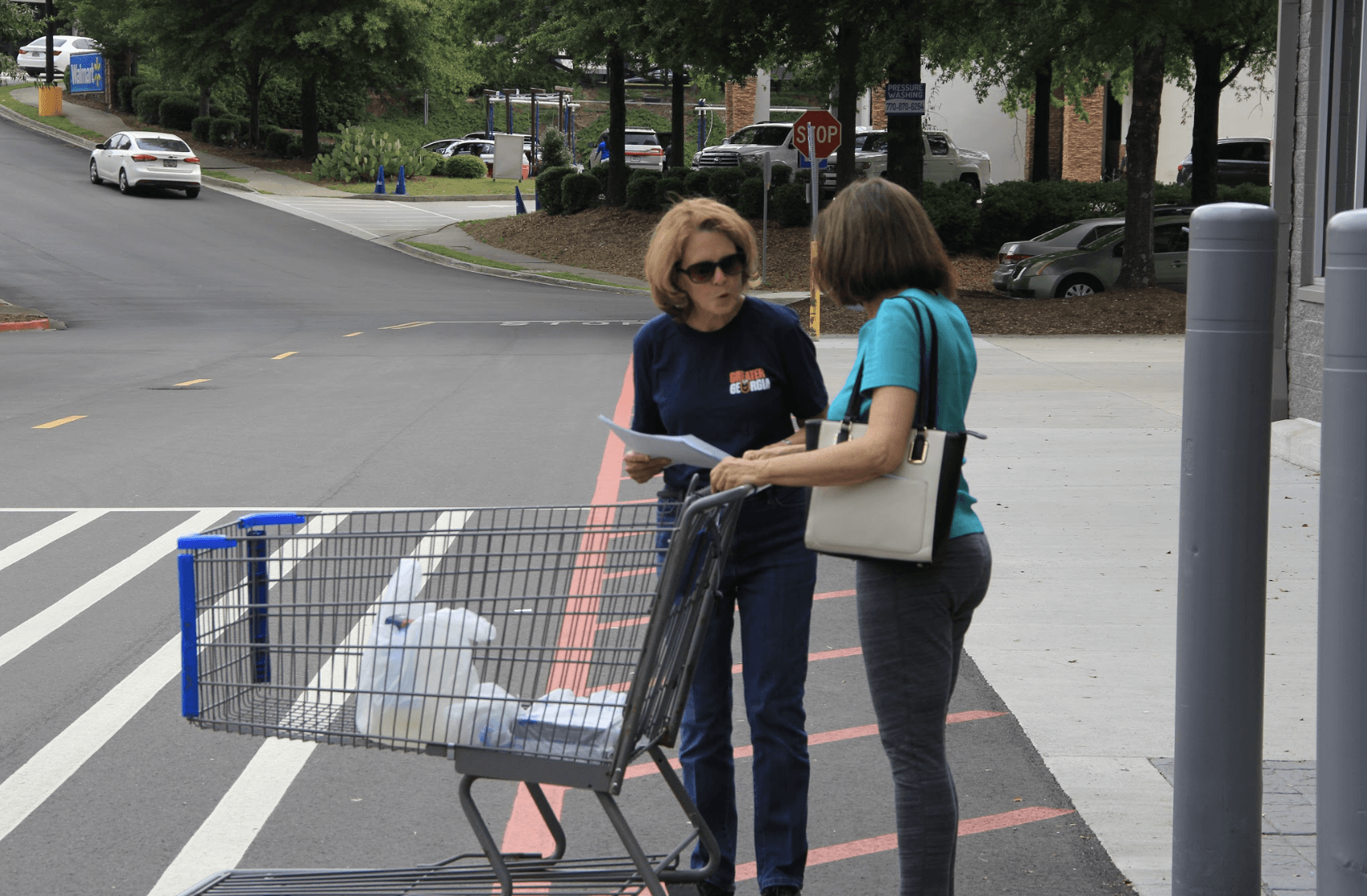
GREATER GEORGIA LAUNCHES STATEWIDE VOTER REGISTRATION PUSH IN ADVANCE OF 2026 MIDTERMS
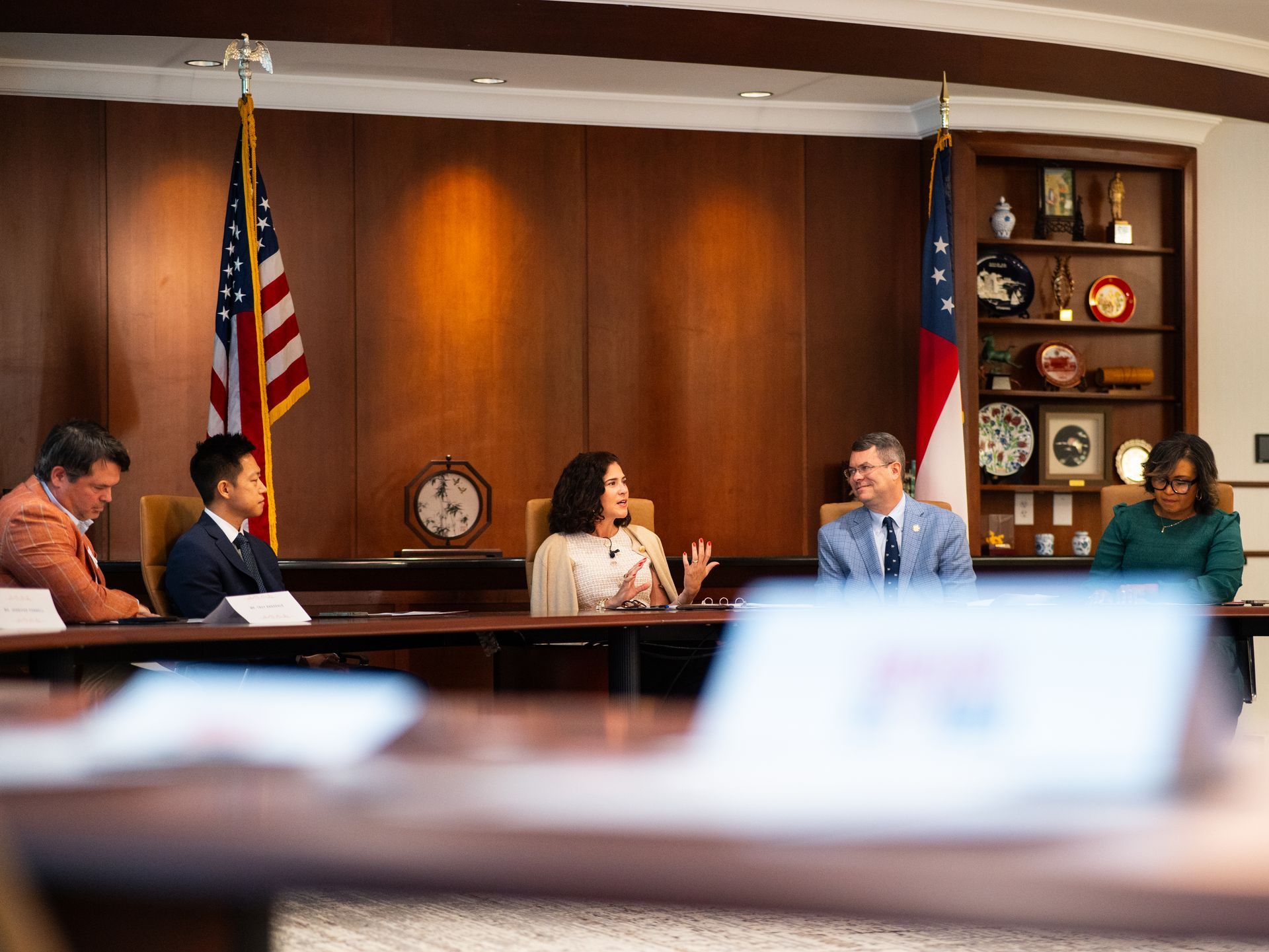
BUSINESS LEADERS JOIN LABOR COMMISSIONER BARBARA RIVERA HOLMES AND GREATER GEORGIA TO TACKLE WORKFORCE READINESS
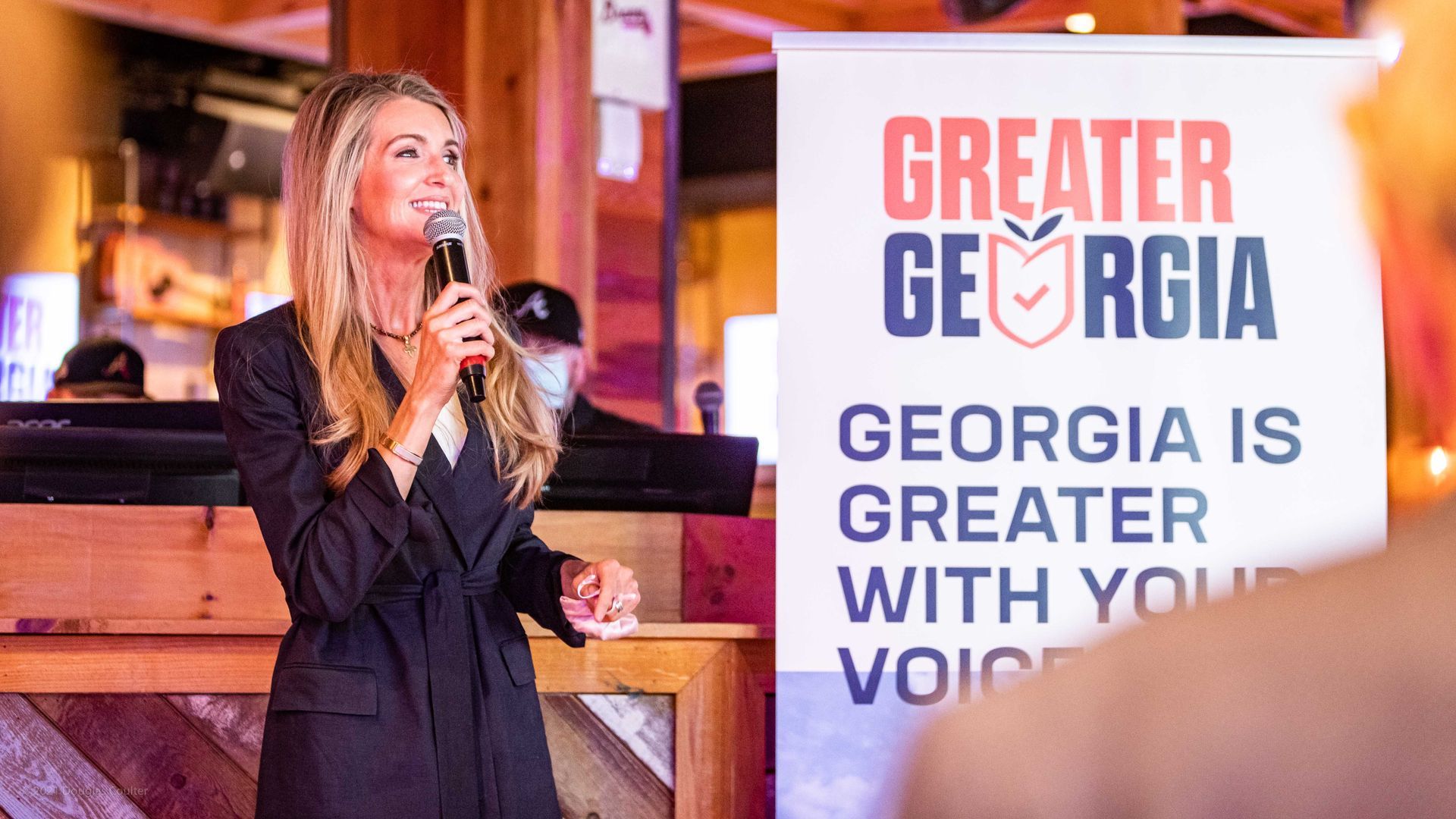
ATLANTA, GA— Greater Georgia today released a statement in support of Georgia’s ongoing voter roll cleanup, calling the move a necessary and long overdue step to protect election integrity and restore confidence in the state’s electoral process. The Secretary of State’s office last week began the process of removing more than 500,000 outdated voter registrations, including those who have moved, passed away, or not voted in nearly a decade, as part of one of the largest list maintenance efforts in Georgia history. “This voter roll cleanup is not only common sense, it’s long overdue after fear-mongering lawsuits from leftist groups halted the process,” said Terry Fye of Greater Georgia. “Election officials, and especially the Secretary of State’s office, are legally required to keep our rolls accurate and failing to do so undermines trust in our elections and opens the door to potential fraud.” Georgia law requires regular voter roll maintenance to ensure only eligible voters remain on the rolls. The current process includes multiple attempts to contact inactive voters before any cancellation is finalized, offering ample time to update their information and maintain active status. Since its founding, Greater Georgia has worked to strengthen trust in elections by advocating for secure, transparent, and accountable voting practices. The organization has registered more than 65,000 new voters, expanded civic engagement in every corner of the state, and continues to push for meaningful reforms that protect the vote of every legal Georgian. ### Greater Georgia, founded by former U.S. Senator Kelly Loeffler in 2021, is working to register, engage, educate, and mobilize voters in communities across the Peach State. Our year-round work is focused on growing our movement by registering voters who may not be captured by Georgia’s “Motor Voter” program, mobilizing diverse and underrepresented communities, promoting issue advocacy, and fighting to restore trust and integrity in our elections.
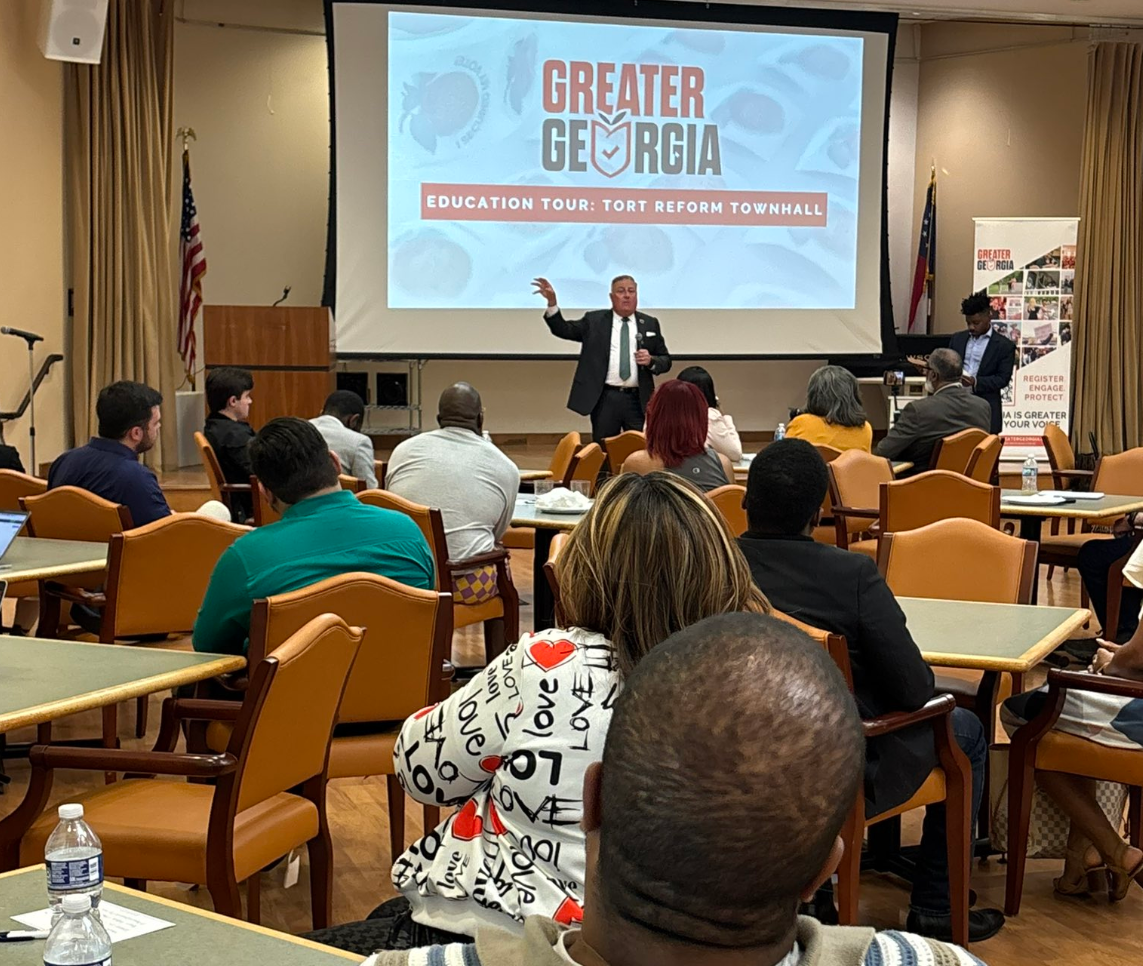
ATLANTA, GA — Today, Greater Georgia Action, Inc. announced a statewide education tour to inform Georgians about consequential legislation passed during the 2025 legislative session, with a heavy focus on Governor Brian Kemp’s civil judicial reform package. Engaging speakers and innovative event formats will allow Georgians to learn about the impact of these laws and ask questions in an approachable environment. Each unique event, ranging from small business roundtables to town halls, will feature key civic leaders, elected officials, and topic experts. Additional information will be made available closer to the event. Greater Georgia is excited to visit: April 16, 2025 - Dekalb County (Stonecrest, GA) featuring Insurance Commissioner John King Bibb County (Macon, GA) Fulton County (Alpharetta, GA) Chatham County (Savannah, GA) Whitfield County (Dalton, GA) Gwinnett County (TBD) Doughtery County (Albany, GA) Athens Clarke County (Athens, GA) Lowndes County (Valdosta, GA) “Educating diverse and disengaged communities is a key mission of Greater Georgia, so we’re taking our message on the road to reach voters where they are,” said Terry Fye, Director of Outreach for Greater Georgia. “Georgia took an immense step toward balanced court rooms and competitive insurance markets, and these events will help Georgians understand the full benefits of tort reform and provide real- time feedback to their elected officials.” “Session is out, and now our work begins in earnest to educate voters on the legislation passed that will impact them and their families. This tour will empower voters and provide them with the resources they need to make informed decisions next November.” For additional information about Greater Georgia and to receive updates about the education tour, please visit our website, https://www.greatergeorgia.com/.