

ICYMI: GREATER GEORGIA RESULTS HIGHLIGHTED IN WASHINGTON EXAMINER
June 21, 2021
In case you missed it, the Washington Examiner recently highlighted
Greater Georgia's record of results
since its launch just four months ago. In a story last week, the Examiner discussed the group's successful efforts
to register thousands of new conservative voters, mobilize hundreds of thousands more, and fight for election integrity – including in the State House District 34 Special Election in Cobb County. From the Washington Examiner:
Kelly Loeffler says her project to boost Georgia conservative turnout is already showing results
Just four months after launching her Greater Georgia project, former Republican Sen. Kelly Loeffler says that her efforts to rebuild conservative enthusiasm and win back voters disillusioned with the election process in her state are already showing results.
In a special election
for state House District 34 on Tuesday, a suburban district outside Atlanta, Republican candidates received a combined 59% of the vote, outperforming the previous Republican candidate who won with 56% in November 2020.
“It was a great test of engagement and turnout,” Loeffler told the Washington Examiner in an interview. “While it was a relatively under-the-radar election, the engagement we saw, whether it was from voters or volunteers, I think is indicative of the energy that's going to be there in 2022.”
In addition to registering thousands of new voters, Greater Georgia has engaged over 170,000 registered but inactive conservative-leaning voters, according to metrics first provided to the Washington Examiner. With digital ads and text messages about election integrity issues, it reached more than 700,000 Georgians. It recruited 150 volunteers and held eight registration and mobilization events.
Those could help reengage Republicans who voted in the 2020 general election but not in the Jan. 5 Georgia Senate runoff. Over 750,000 voters skipped the runoff, according
to an Atlanta Journal-Constitution analysis. According to Loeffler, 330,000 of those were conservatives.
Loeffler launched
Greater Georgia in February after narrowly losing a Jan. 5 runoff election to Democratic Sen. Raphael Warnock, whose election along with Democratic Sen. Jon Ossoff gave Democrats a razor-thin majority in the Senate. The organization is the conservative answer to Democrat Stacey Abrams’s Fair Fight, which has nationwide fame for mobilizing liberals on election issues.
“If you think about the operation that Stacey Abrams set up with Fair Fight, she's really had a monopoly on voter engagement, registration, even going as far as to use the courts to change our election laws here in Georgia,” Loeffler said. “We just see a lot of demand for what we're doing in terms of not just registration, but reaching out to diverse communities and also protecting election integrity.”
Loeffler has leaned into battles over election processes. In April, she called
on the state's attorney general to investigate Georgia Secretary of State Brad Raffensperger (a frequent target of former President Donald Trump), accusing him of downplaying “voters’ legitimate concerns about changes to Georgia’s elections which were related to the pandemic.”
An internal Greater Georgia poll found that among Republicans who voted in the 2020 general election but not the runoff, 89% said that they would be more likely to vote in 2022 if they were confident the elections would be fair and accurate.
“Election integrity is the No. 1 issue for conservative voters,” Loeffler said.
Greater Georgia is also combating Democratic talking points that Republican efforts to change voting laws aim to suppress minority voters. The group has hosted six roundtables with community leaders from the African American, Hispanic American, Asian American and Pacific Islander, and Indian American communities.
Though she’s encouraged by the engagement the group has seen so far, “We can't take that for granted,” Loeffler said. She hopes to “make sure that the conservative movement is engaged in election integrity, voter registration, [and] growing our tent” year-round rather than just during election season.
Click HERE
to read the full article.
###
Media Contact: press@greatergeorgia.com
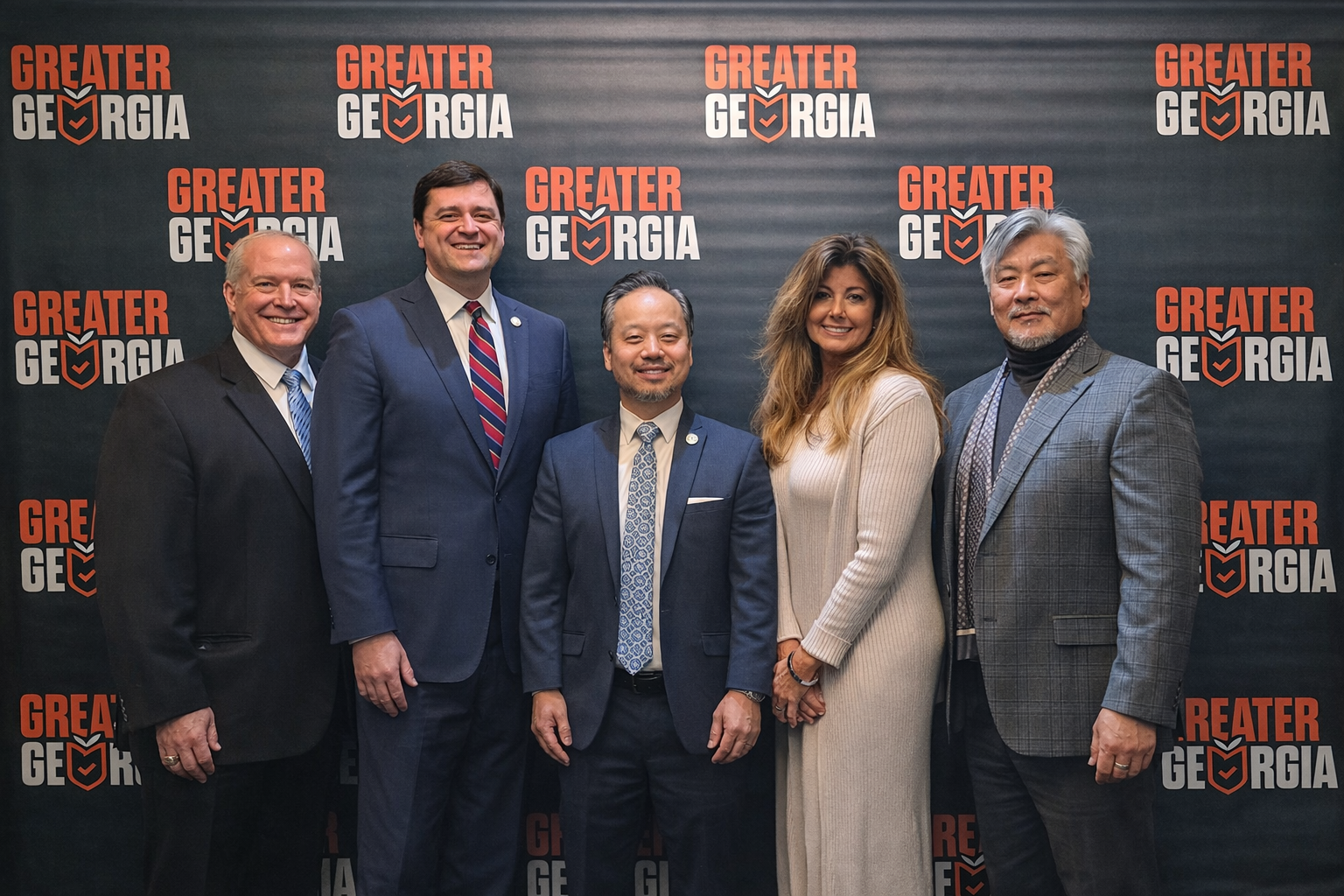
Atlanta, GA — Greater Georgia concluded its Statewide Education Tour with a final stop hosted by the Metro Atlanta Chamber , convening business leaders, elected officials, and community stakeholders for a forward-looking discussion on Georgia’s priorities heading into the 2026 legislative session. Jon Burns , Speaker of the Georgia House of Representatives, offered a preview of key issues expected to shape the upcoming session. The discussion focused on policies central to Georgia’s long-term success, including property tax reform, access to mental health services, improving literacy outcomes, and ensuring students are prepared to enter the workforce. The Statewide Education Tour brought substantive policy conversations directly to communities across Georgia, reinforcing Greater Georgia’s commitment to informed dialogue and broad civic engagement. More than 250 business owners, community leaders, and local officials participated in tour stops across seven Georgia counties. Looking ahead to 2026, Greater Georgia will focus on training local leaders and activists and equipping them with the tools needed to host engaging, policy-oriented conversations in their own communities to strengthen civic leadership and engagement across the state. ###
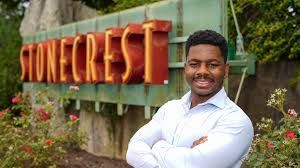
Your Local Vote Matters: Evaluating Candidates for Local Office
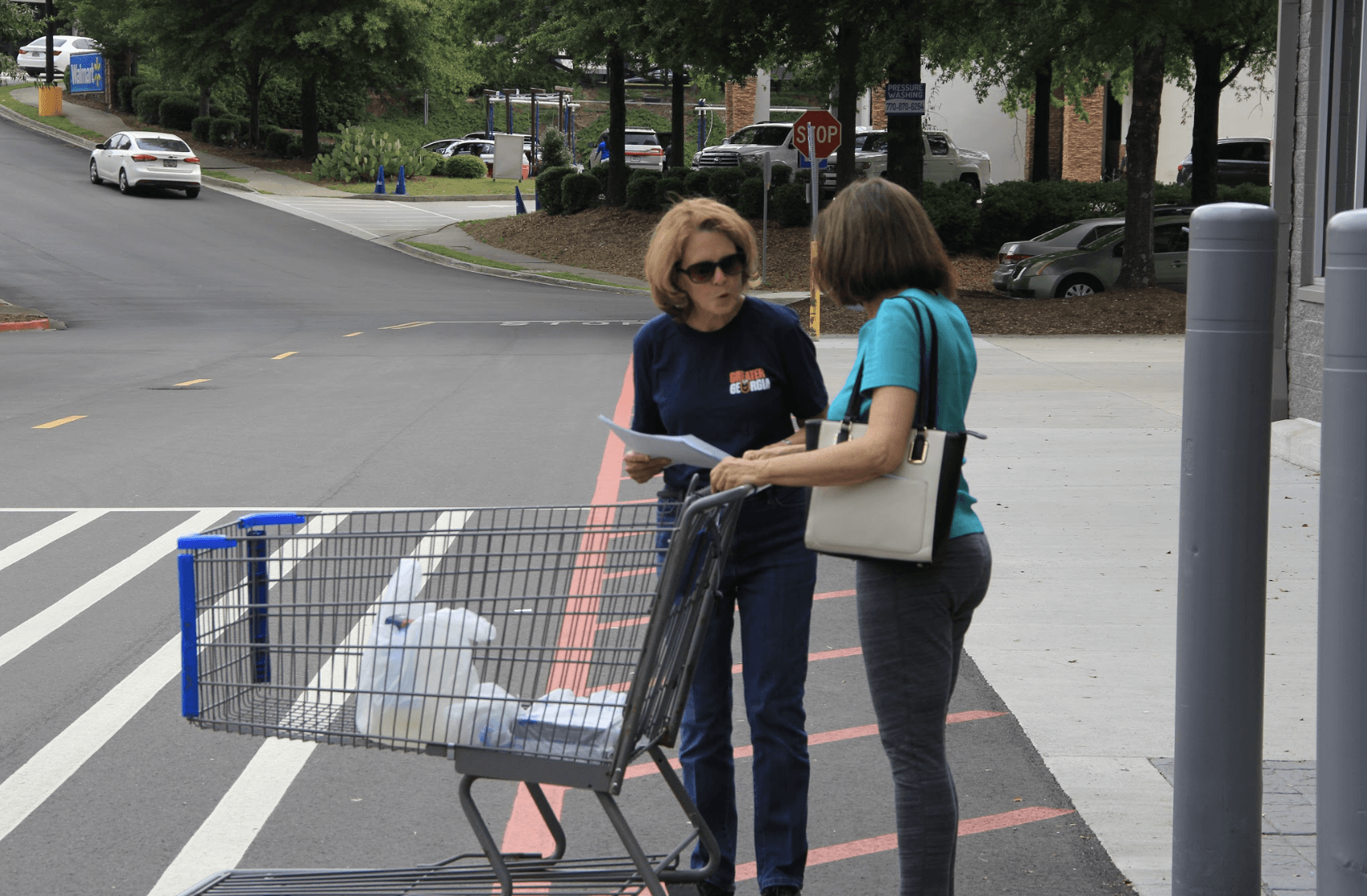
GREATER GEORGIA LAUNCHES STATEWIDE VOTER REGISTRATION PUSH IN ADVANCE OF 2026 MIDTERMS
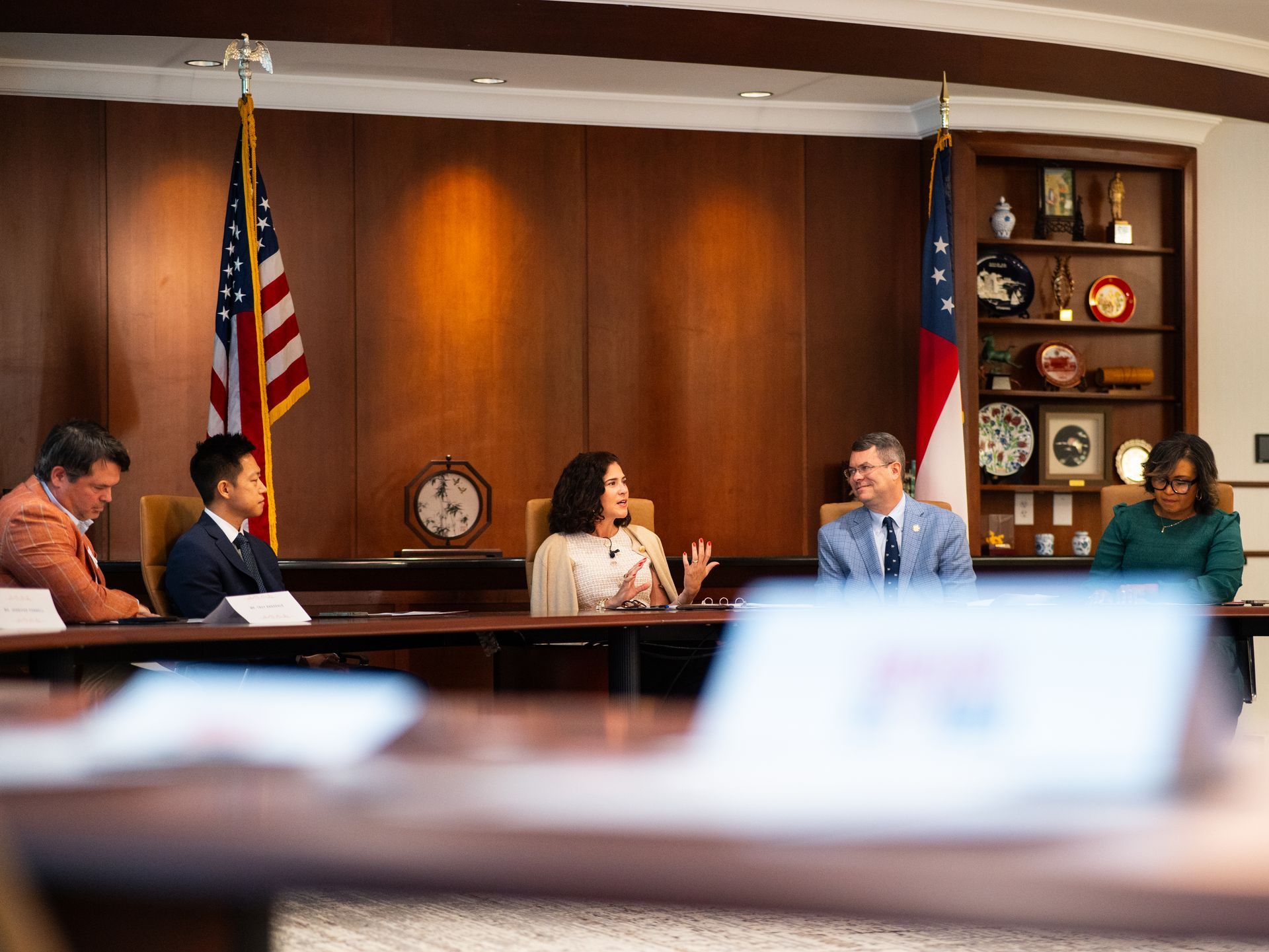
BUSINESS LEADERS JOIN LABOR COMMISSIONER BARBARA RIVERA HOLMES AND GREATER GEORGIA TO TACKLE WORKFORCE READINESS
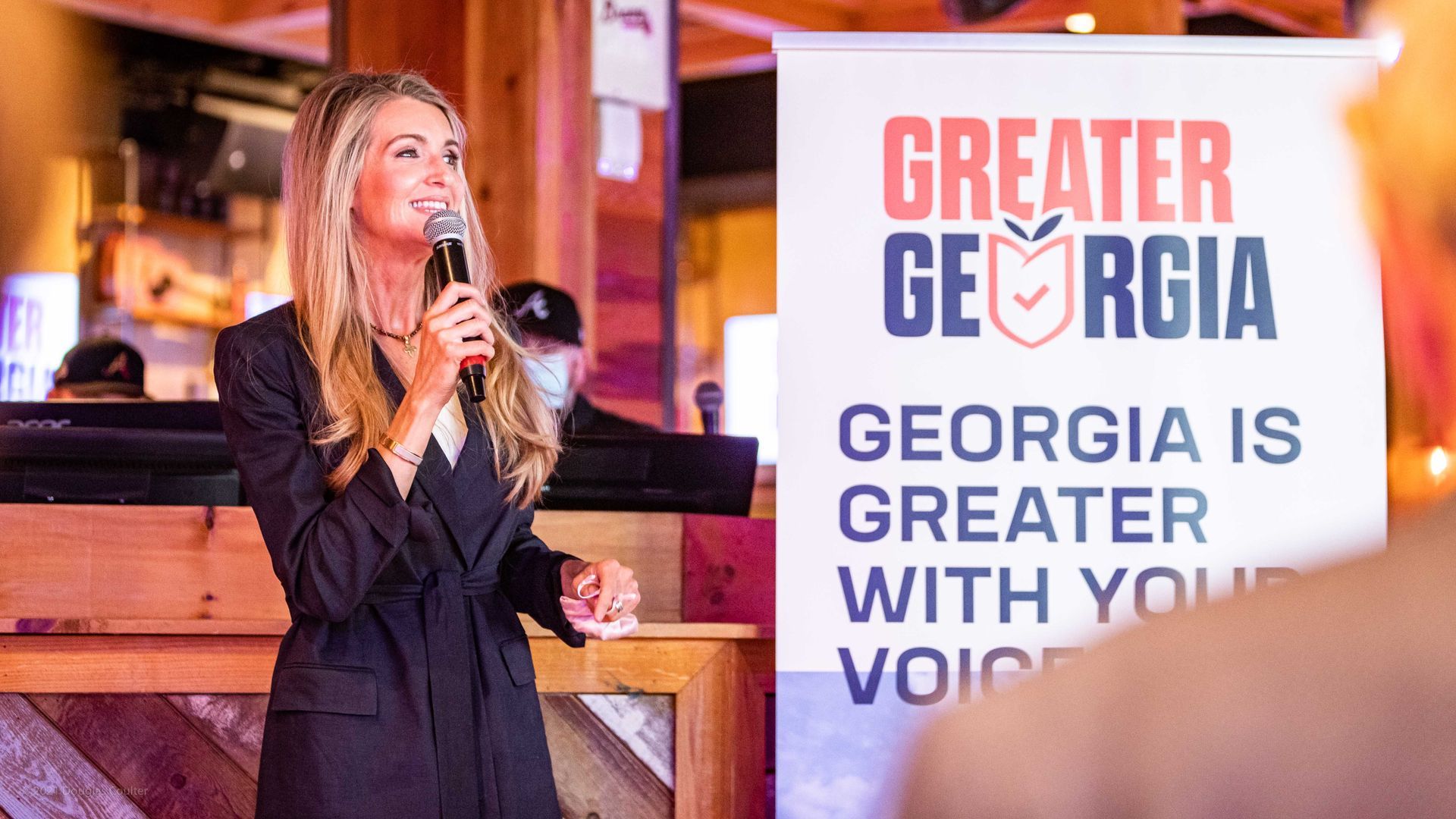
ATLANTA, GA— Greater Georgia today released a statement in support of Georgia’s ongoing voter roll cleanup, calling the move a necessary and long overdue step to protect election integrity and restore confidence in the state’s electoral process. The Secretary of State’s office last week began the process of removing more than 500,000 outdated voter registrations, including those who have moved, passed away, or not voted in nearly a decade, as part of one of the largest list maintenance efforts in Georgia history. “This voter roll cleanup is not only common sense, it’s long overdue after fear-mongering lawsuits from leftist groups halted the process,” said Terry Fye of Greater Georgia. “Election officials, and especially the Secretary of State’s office, are legally required to keep our rolls accurate and failing to do so undermines trust in our elections and opens the door to potential fraud.” Georgia law requires regular voter roll maintenance to ensure only eligible voters remain on the rolls. The current process includes multiple attempts to contact inactive voters before any cancellation is finalized, offering ample time to update their information and maintain active status. Since its founding, Greater Georgia has worked to strengthen trust in elections by advocating for secure, transparent, and accountable voting practices. The organization has registered more than 65,000 new voters, expanded civic engagement in every corner of the state, and continues to push for meaningful reforms that protect the vote of every legal Georgian. ### Greater Georgia, founded by former U.S. Senator Kelly Loeffler in 2021, is working to register, engage, educate, and mobilize voters in communities across the Peach State. Our year-round work is focused on growing our movement by registering voters who may not be captured by Georgia’s “Motor Voter” program, mobilizing diverse and underrepresented communities, promoting issue advocacy, and fighting to restore trust and integrity in our elections.
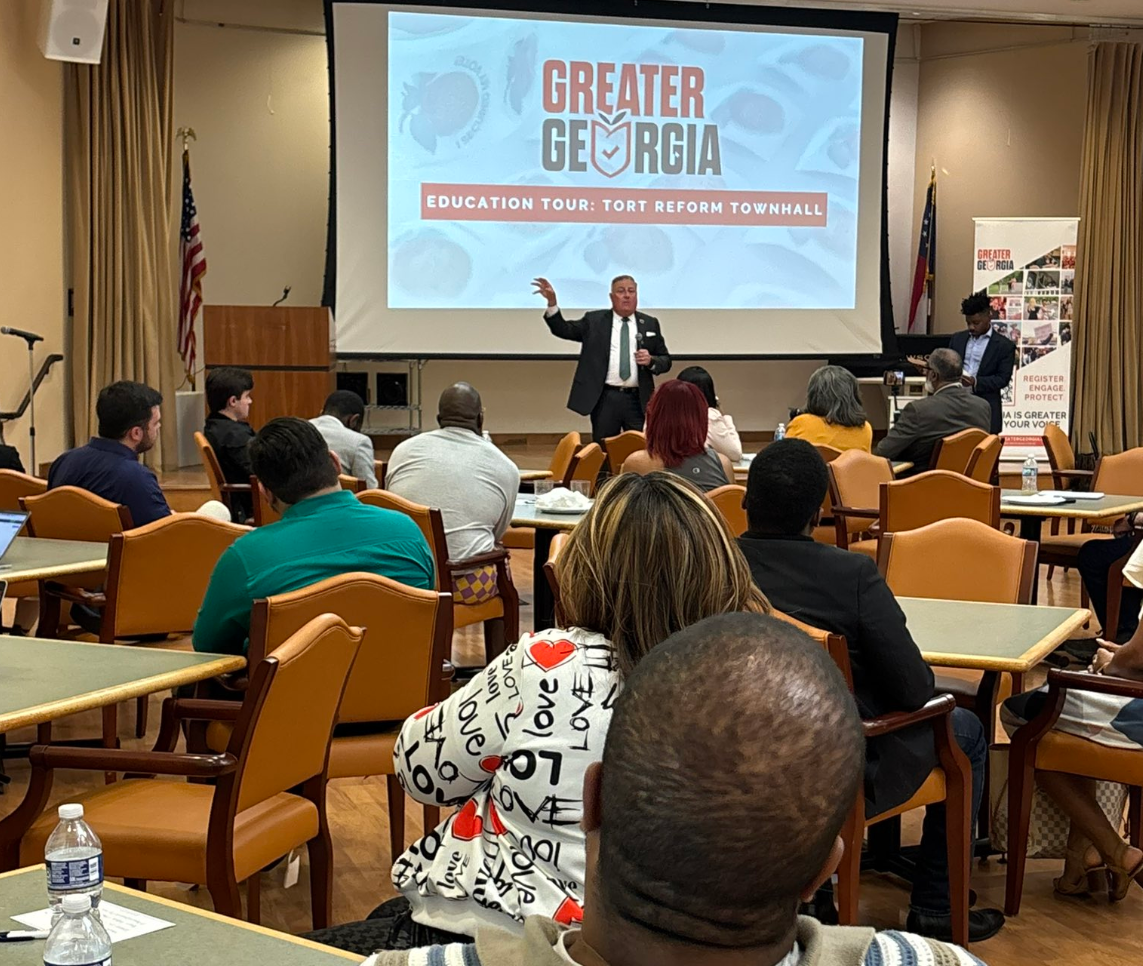
ATLANTA, GA — Today, Greater Georgia Action, Inc. announced a statewide education tour to inform Georgians about consequential legislation passed during the 2025 legislative session, with a heavy focus on Governor Brian Kemp’s civil judicial reform package. Engaging speakers and innovative event formats will allow Georgians to learn about the impact of these laws and ask questions in an approachable environment. Each unique event, ranging from small business roundtables to town halls, will feature key civic leaders, elected officials, and topic experts. Additional information will be made available closer to the event. Greater Georgia is excited to visit: April 16, 2025 - Dekalb County (Stonecrest, GA) featuring Insurance Commissioner John King Bibb County (Macon, GA) Fulton County (Alpharetta, GA) Chatham County (Savannah, GA) Whitfield County (Dalton, GA) Gwinnett County (TBD) Doughtery County (Albany, GA) Athens Clarke County (Athens, GA) Lowndes County (Valdosta, GA) “Educating diverse and disengaged communities is a key mission of Greater Georgia, so we’re taking our message on the road to reach voters where they are,” said Terry Fye, Director of Outreach for Greater Georgia. “Georgia took an immense step toward balanced court rooms and competitive insurance markets, and these events will help Georgians understand the full benefits of tort reform and provide real- time feedback to their elected officials.” “Session is out, and now our work begins in earnest to educate voters on the legislation passed that will impact them and their families. This tour will empower voters and provide them with the resources they need to make informed decisions next November.” For additional information about Greater Georgia and to receive updates about the education tour, please visit our website, https://www.greatergeorgia.com/.